 AI Optical Transceivers vs. Telecom Optical Transceivers: Two ‘Personalities’ of the Same Component
30 Oct, 2026. Posted by:XPONSHOP
Most Views Posts
ZTE C300 OLT FAQ: Expert Answers to Network Integration & Configuration Questions
2026-07-15 10:59:13
Cisco Router Command Line Equivalents for Chinese Manufactured Layer 3 Switches - Official Technical Overview & Hardware Datasheet
2026-08-04 09:54:41
Carrier-Grade Routing Solution Brief: Deploying Configuring IPTV Multicast Snooping and IGMP Profiles on Hybrid OLTs
2026-08-27 10:29:29
Popular Posts
Wi-Fi Calling: Seamless Connectivity, Wherever You Are
2026-07-31 16:33:57
MAC Address Table Size 16K 32K - Official Technical Overview & Hardware Datasheet
2026-05-27 13:56:55
Managing ONT: Initial Setup, Console Connection & Firmware Upgrades FAQ
2026-10-19 11:12:50
ETP4830-A1 SMU Monitor Module Introduction
2025-10-22 09:00:28
Random Posts
Troubleshooting Inter-VLAN Routing Failure: Optical Interfaces, Stacking Errors & L3 Protocols
2026-07-24 13:17:14
Troubleshooting food and beverage production line waterproof switch: Optical Interfaces, Stacking Errors & L3 Protocols
2026-06-17 13:38:20
High-Performance Chinese OEM 4-Port Router NAT Translation Table Capacity Limits - Official Technical Overview & Hardware Datasheet
2026-09-09 10:15:06
Recent Posts
AI Optical Transceivers vs. Telecom Optical Transceivers: Two ‘Personalities’ of the Same Component
2026-10-30 11:30:33
Overcoming Network Bottlenecks: Enterprise Configuration Manual for Nintendo Switch NAT Type D Resolution
2026-10-30 10:06:06
Cisco Business 350 Series Managed Switch Physical Security and Power Efficiency - Official Technical Overview & Hardware Datasheet
2026-10-30 10:03:46
About
XponShop blog describes some basics for Huawei / ZTE /
Nokia / FiberHome GPON OLT, ONT, SFP, and Site Power...
such as configurations, issue troubleshooting, knowledge
sharing, and keeps updating.
Recent posts
AI Optical Transceivers vs. Telecom Optical Transceivers: Two ‘Personalities’ of the Same Component
27 Mar, 2025
 Overcoming Network Bottlenecks: Enterprise Configuration Manual for Nintendo Switch NAT Type D Resolution
27 Mar, 2025
 Cisco Business 350 Series Managed Switch Physical Security and Power Efficiency - Official Technical Overview & Hardware Datasheet
27 Mar, 2025
AI Optical Transceivers vs. Telecom Optical Transceivers: Two ‘Personalities’ of the Same Component
27 Mar, 2025
Overcoming Network Bottlenecks: Enterprise Configuration Manual for Nintendo Switch NAT Type D Resolution
27 Mar, 2025
Cisco Business 350 Series Managed Switch Physical Security and Power Efficiency - Official Technical Overview & Hardware Datasheet
27 Mar, 2025
Products from the blog
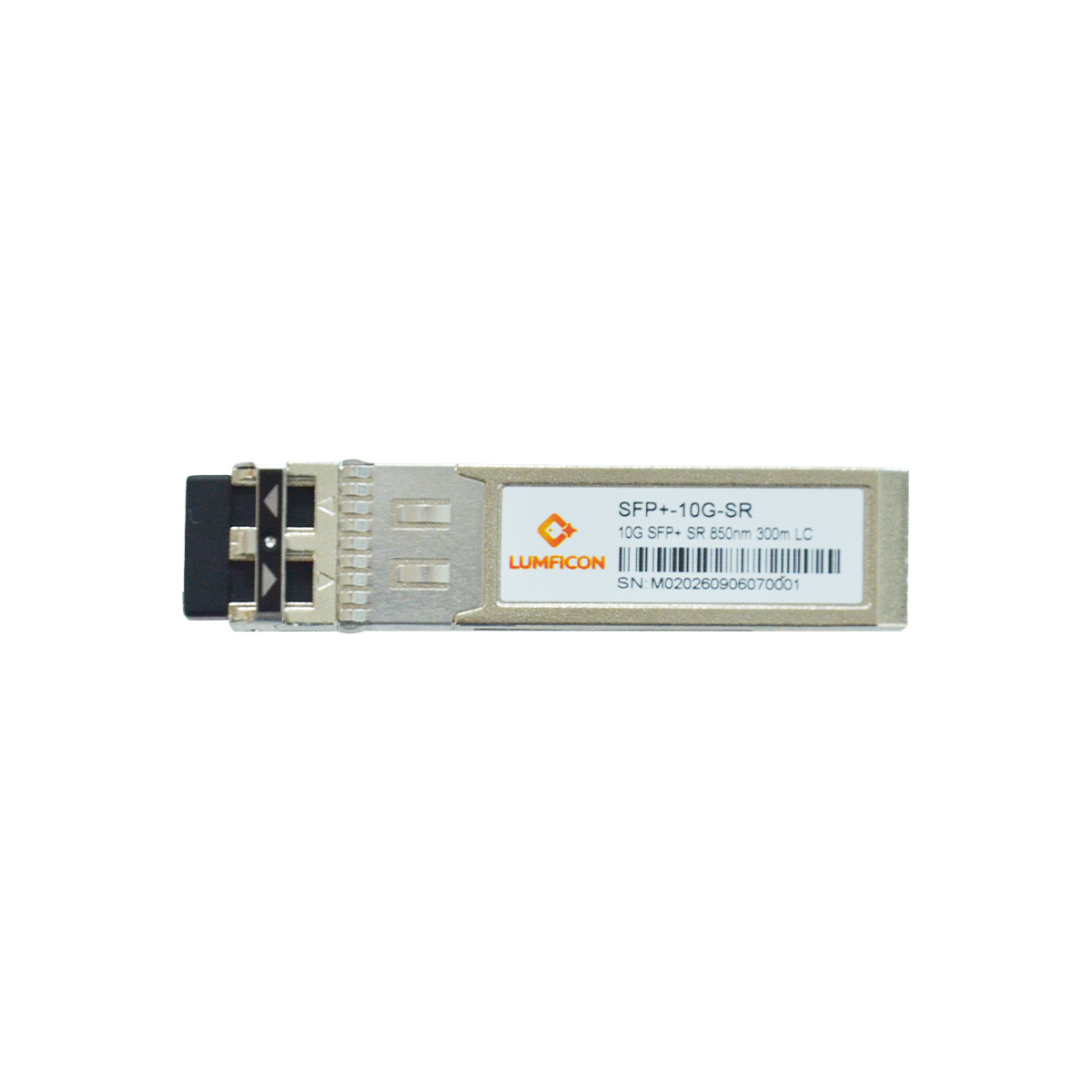 OFSF10GD3x-F85, 10G SFP+ SR Dual LC Transceivers for AI Computing
Bulk Inquiry
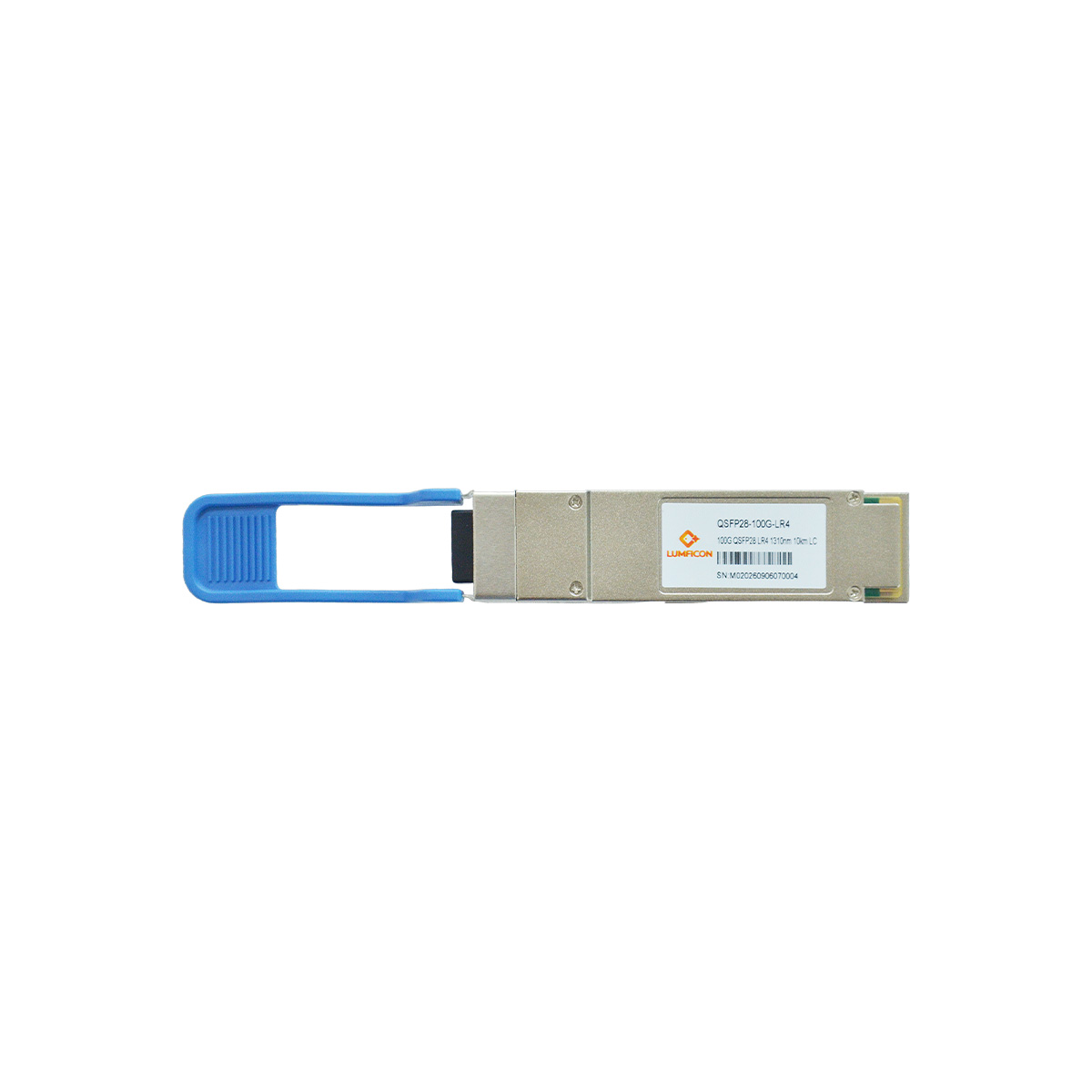 OFQ212G010C-FQ4, 100G QSFP28 10km LR4 Transceivers for AI Computing
Bulk Inquiry
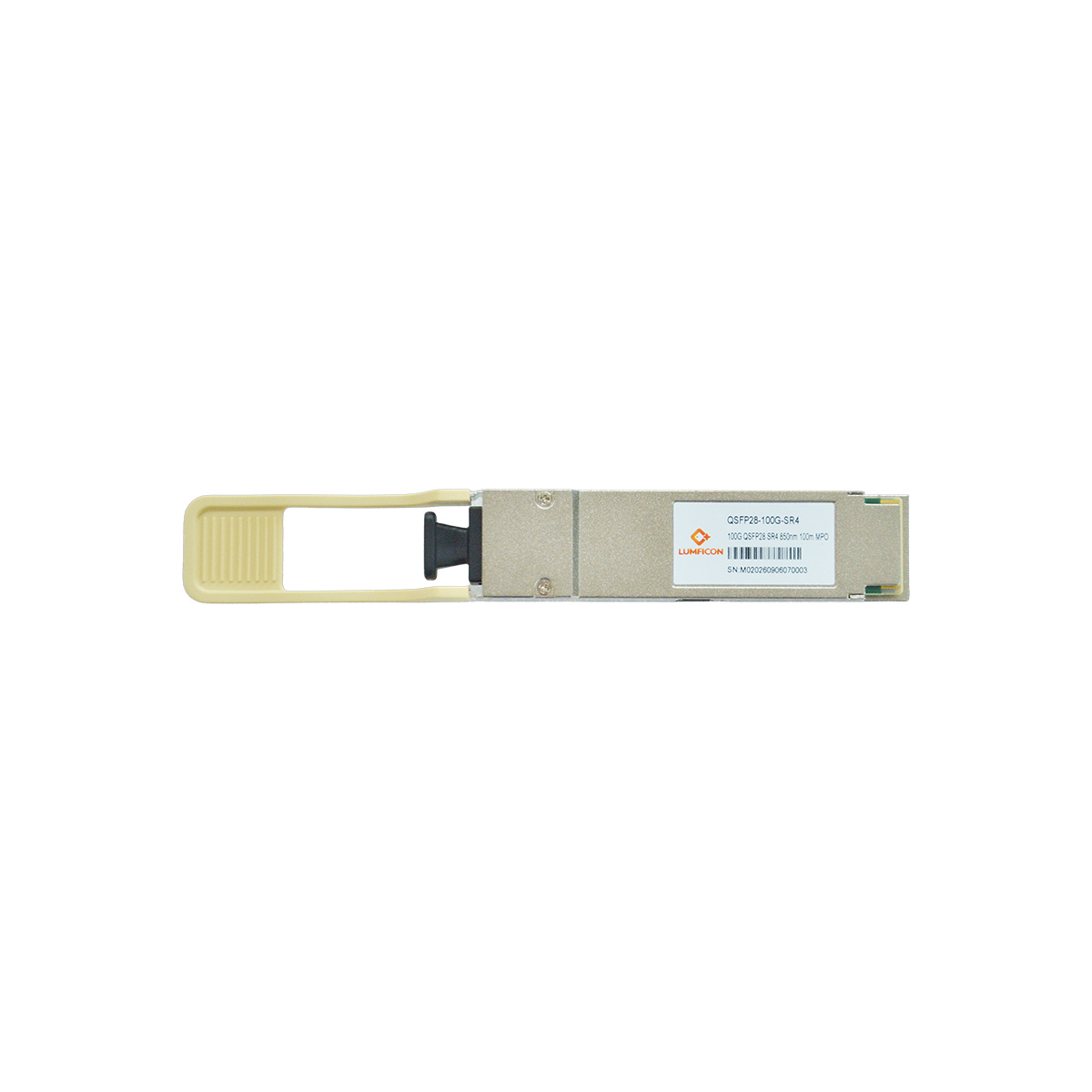 OFQ212GD1C-F85, 100G QSFP28 100m SR4 MPO Transceivers for AI Computing
Bulk Inquiry
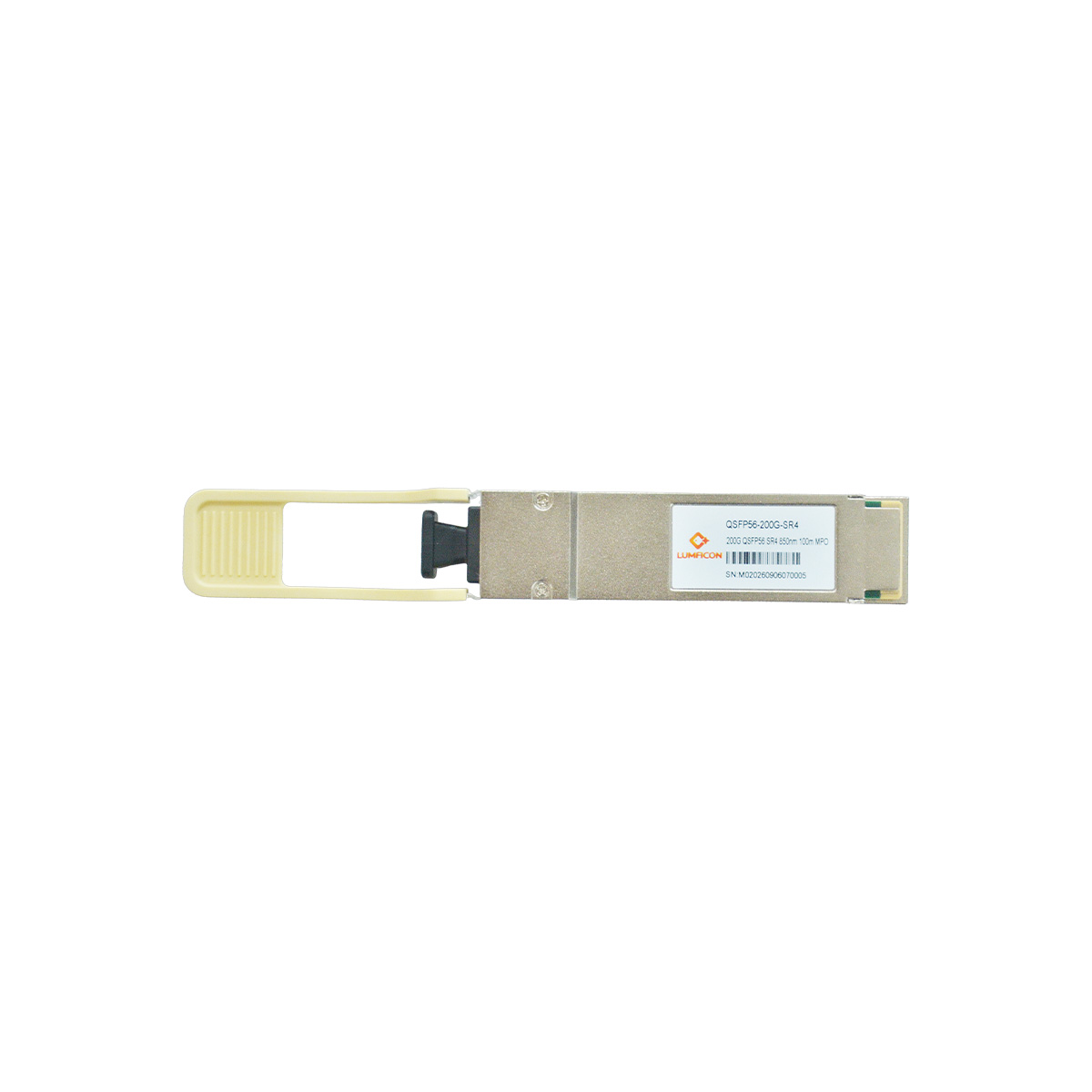 OFQ522GD1C-F85, 200G QSFP56 SR4 MPO Transceivers for AI Computing
Bulk Inquiry
OFSF10GD3x-F85, 10G SFP+ SR Dual LC Transceivers for AI Computing
Bulk Inquiry
OFQ212G010C-FQ4, 100G QSFP28 10km LR4 Transceivers for AI Computing
Bulk Inquiry
OFQ212GD1C-F85, 100G QSFP28 100m SR4 MPO Transceivers for AI Computing
Bulk Inquiry
OFQ522GD1C-F85, 200G QSFP56 SR4 MPO Transceivers for AI Computing
Bulk Inquiry

0.134692s

With AI computing power in the spotlight, ‘optical transceivers’ have become a buzzword. Many people ask: are the optical transceivers used in AI data centers the same as those used in traditional telecom networks? Can they be used interchangeably?
The short answer: they are fundamentally the same type of device, optimized differently for different scenarios.
Same Principle, Different Goals
The core function of an optical transceiver never changes: the transmitting end converts electrical signals into optical signals, which travel through fiber, and the receiving end converts them back into electrical signals. Whether in an AI cluster or a telecom backbone, the underlying principle, basic form factors (such as QSFP and OSFP), and fiber interfaces are common to both.
The real differences come from the different demands of each application. Put simply: AI optical transceivers pursue 'fast, dense, efficient,' while telecom optical transceivers pursue 'far, stable, durable.'
One Table to See the Differences
Additional Notes on the Key Differences
Speed and pace: AI training clusters require massive, high-speed data exchange between GPUs, so upgrades happen very quickly. Traditional telecom networks still use 10G, 25G, and 100G extensively, and move at a much more measured pace.
Distance and technology: Connections inside an AI cluster are mostly short-reach and don’t need complex long-distance processing. Telecom networks must span tens or even thousands of kilometers, relying on coherent technology, dense wavelength division multiplexing (DWDM), and optical amplifiers.
The cumulative effect of power consumption: Although the data center environment is mild, a large cluster may use tens of thousands or even hundreds of thousands of modules. A small power saving per module adds up to a huge difference overall.
Can They Be Used Interchangeably?
There is overlap, but it depends on the specific model, so don’t assume they can be mixed freely.
Rather than getting hung up on the names 'AI optical transceiver' and 'telecom optical transceiver,' think of them as different grades of the same component: one optimized for short reach, ultra-high speed, massive deployment, and low power consumption; the other for long reach, stability, long lifespan, and wide temperature tolerance.
In practice, there are five things to verify when selecting a module: speed, distance, form factor, protocol standard, and environmental grade. If all five match, the module will work. If they don’t, the name on the label won’t help.