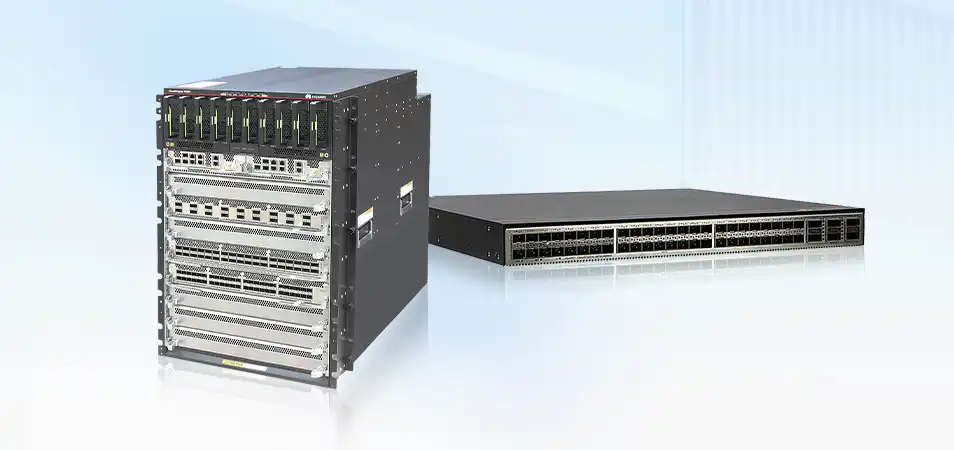
 Differences Between Campus Switches and Data Center Switches
31 Aug, 2026. Posted by:XPONSHOP
Most Views Posts
Troubleshooting BiDi Optical Modules: Optical Interfaces, Stacking Errors & L3 Protocols
2026-08-19 10:54:47
Strategic Enterprise Asset Procurement Evaluation Report: What is the Lifespan of an Enterprise Core Switch
2026-06-10 13:51:56
Huawei MA5600T Series OLT Software Version Compatibility Matrix for Third-Party ONUs - Official Technical Overview & Hardware Datasheet
2026-08-12 12:16:46
Popular Posts
OEM Bare-Metal SDN Switch Hardware Interface and Compatibility Reference - Official Technical Overview & Hardware Datasheet
2026-07-27 09:50:30
ZTE SCXN Core Switching and Management Card Interface Throughput Specifications - Official Technical Overview & Hardware Datasheet
2026-10-16 09:10:05
XPONSHOP Multi-Vendor FTTH Network Deployment Interoperability Matrix - Official Technical Overview & Hardware Datasheet
2026-07-07 13:27:53
Technical Support FAQ: Everything Network Architects Ask About BiDi SFP
2026-07-24 13:02:29
Secured Routing Platform - Official Technical Overview & Hardware Datasheet
2026-06-22 15:29:20
Random Posts
Overcoming Network Bottlenecks: Enterprise Configuration Manual for Why IPTV Set-Top Box Fails to Obtain an IP Address in Bridge Mode
2026-09-21 09:37:53
iMaster OmniSight-T License Troubleshooting— OSN1800 Lack of License
2025-10-22 09:03:57
Huawei H901GPHF Interface Board Interworking Tolerances with Third-Party ONUs - Official Technical Overview & Hardware Datasheet
2026-08-14 11:35:24
Deploying 10G Core Switches in Datacenters: 8 Critical Layer 3 Routing Questions
2026-07-30 10:42:07
Recent Posts
AI Optical Transceivers vs. Telecom Optical Transceivers: Two ‘Personalities’ of the Same Component
2026-10-30 11:30:33
Overcoming Network Bottlenecks: Enterprise Configuration Manual for Nintendo Switch NAT Type D Resolution
2026-10-30 10:06:06
Cisco Business 350 Series Managed Switch Physical Security and Power Efficiency - Official Technical Overview & Hardware Datasheet
2026-10-30 10:03:46
About
XponShop blog describes some basics for Huawei / ZTE /
Nokia / FiberHome GPON OLT, ONT, SFP, and Site Power...
such as configurations, issue troubleshooting, knowledge
sharing, and keeps updating.
Recent posts
 AI Optical Transceivers vs. Telecom Optical Transceivers: Two ‘Personalities’ of the Same Component
27 Mar, 2025
 Overcoming Network Bottlenecks: Enterprise Configuration Manual for Nintendo Switch NAT Type D Resolution
27 Mar, 2025
 Cisco Business 350 Series Managed Switch Physical Security and Power Efficiency - Official Technical Overview & Hardware Datasheet
27 Mar, 2025
AI Optical Transceivers vs. Telecom Optical Transceivers: Two ‘Personalities’ of the Same Component
27 Mar, 2025
Overcoming Network Bottlenecks: Enterprise Configuration Manual for Nintendo Switch NAT Type D Resolution
27 Mar, 2025
Cisco Business 350 Series Managed Switch Physical Security and Power Efficiency - Official Technical Overview & Hardware Datasheet
27 Mar, 2025
Products from the blog
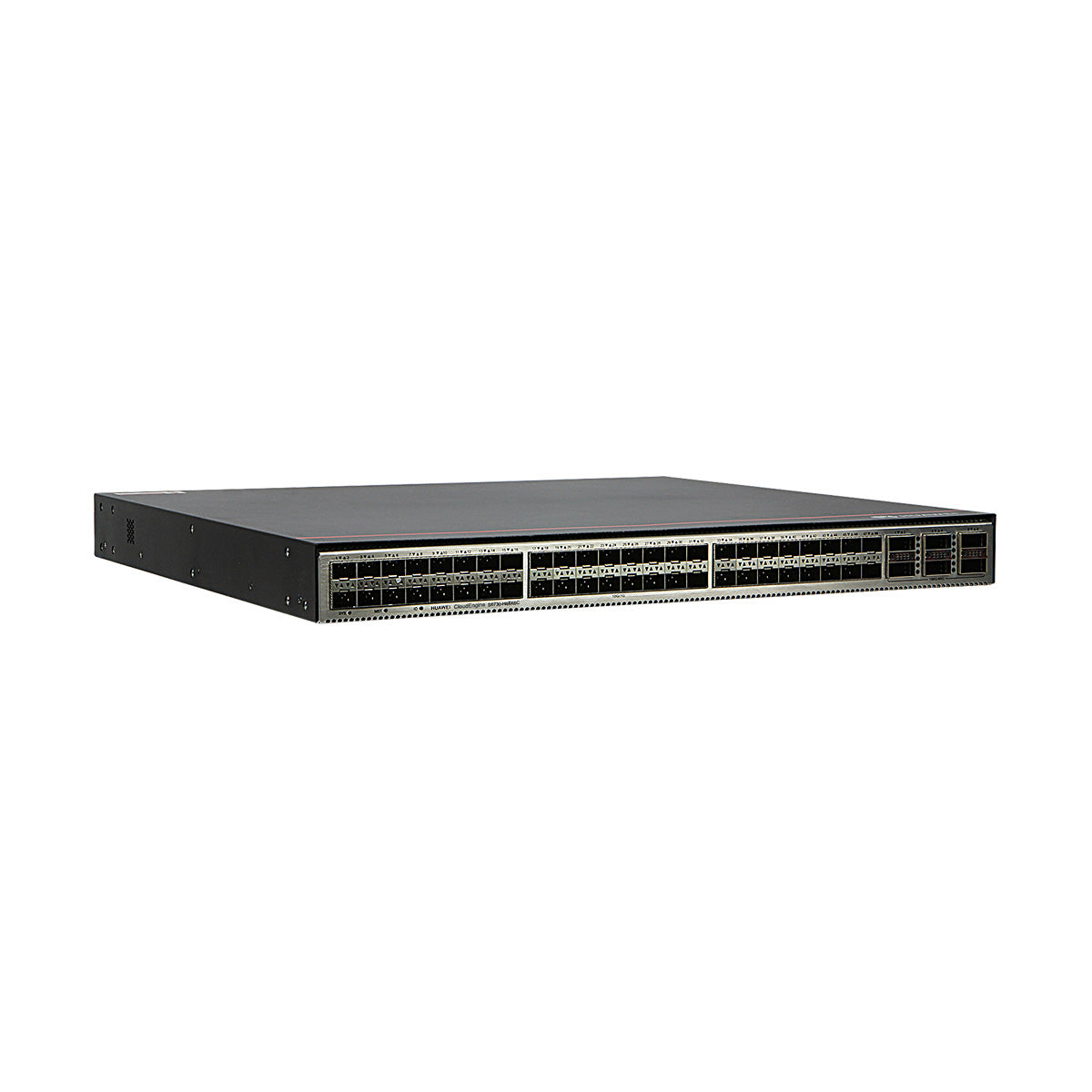 Huawei S6730-H48X6C Switch
Bulk Inquiry
 Huawei S5735-L24T4X-A Switch
Bulk Inquiry
Huawei S6730-H48X6C Switch
Bulk Inquiry
Huawei S5735-L24T4X-A Switch
Bulk Inquiry
In the realm of networking, switches play a vital role in ensuring seamless communication between devices. While both campus switches and data center switches are essential in network infrastructure, they cater to different environments and use cases.
Below, we will explore the key differences between the two, followed by a comparison of several Huawei products in a tabular format to highlight their features and specifications.
Key Differences Between Campus and Data Center Switches
1. Purpose and Environment
Campus Switches: Primarily used in enterprise environments, such as offices or educational institutions, campus switches are designed to handle moderate traffic and connect end-user devices like computers, phones, and printers. They focus on managing large user bases and are optimized for access and distribution layers.
Data Center Switches: Data center switches are used in environments where high-performance data processing and storage are crucial. These switches are optimized for handling massive amounts of data between servers and storage devices, often operating in a high-density environment with low latency and redundancy.
2. Performance and Scale
Campus Switches: These switches are generally designed to support moderate bandwidth and fewer high-speed ports compared to their data center counterparts. They may prioritize features such as PoE (Power over Ethernet) and user access control over extreme performance.
Data Center Switches: In contrast, data center switches are built for high throughput, with a focus on delivering high-speed ports (10G, 40G, 100G, and even 400G), low latency, and high port density. These switches often have advanced features to support virtualization and large-scale traffic management.
3. Redundancy and Availability
Campus Switches: While some redundancy is built in for campus switches, the focus is more on access control, user experience, and moderate availability.
Data Center Switches: Data centers demand near-perfect uptime, so data center switches are designed with high levels of redundancy, including features like multi-pathing, hot-swappable components, and automated failovers to ensure maximum availability.
4. Latency
Campus Switches: Campus switches usually operate with higher latency tolerance since the critical nature of data isn’t as extreme as it is in data centers.
Data Center Switches: Data center switches need to operate with ultra-low latency to ensure fast communication between storage systems, servers, and applications.
5. Virtualization Support
Campus Switches: Virtualization support may be limited or minimal in campus switches, as they focus on connecting end devices rather than supporting virtual networks or workloads.
Data Center Switches: Virtualization and cloud computing are the norms in data centers, so data center switches offer robust support for technologies like VXLAN, NVGRE, and other software-defined networking (SDN) solutions.
Comparison of Huawei Campus and Data Center Switches
Below is a comparison of several Huawei switches, highlighting key differences between models suited for campus environments and those built for data centers:
While both campus switches and data center switches are crucial in networking, their roles, features, and environments differ greatly. Campus switches focus on user access, moderate performance, and PoE, whereas data center switches prioritize high throughput, low latency, and advanced virtualization for high-density environments. For any Huawei switch inquiries, feel free to contact our sales team at Sales@xponshop.com.